In the fast-changing world of logistics, picking the right drone can really make or break your business. Industry expert Dr. Emily Parker from Aerial Innovations puts it simply: “The right drone doesn’t just speed up deliveries—it also makes everything run smoother.” That just goes to show how important it is to choose drones that actually fit your specific needs.
Logistics drones come in all sorts of shapes and sizes, each packed with different features. Things like how much they can carry, how far they can fly, and how long their batteries last are super important. Knowing what your operation actually needs is key—I mean, you wouldn’t want a drone that’s overkill or underpowered. But here’s the thing—many businesses forget to consider how well drones will work with their existing systems, which can cause some real headaches down the line.
And let’s be honest, with so many options out there, it can feel totally overwhelming. It’s tempting to just go for the newest, coolest tech out on the market. But honestly, sometimes the flashiest option isn’t the best fit. Looking back at past choices and experiences can really help you make smarter decisions in the future. Taking a moment to really think about what you need and what makes sense for your goals will help you pick a drone that gives you the best bang for your buck, while actually helping your operations run more smoothly.

Understanding the Role of Drones in Modern Logistics Operations
Drones play a significant role in modern logistics operations. They can rapidly deliver packages over short distances. Many companies are adopting drones to streamline their supply chains. This technology reduces delivery times and enhances efficiency. However, the integration of drones requires careful planning. Businesses must evaluate their specific needs and operational constraints.
Using drones also presents unique challenges. For instance, navigating urban environments can be tricky. Drones must avoid obstacles and comply with local regulations. Trust in consistent performance is essential for logistics operations. Companies often face questions about payload capacity, flight range, and battery life. The right drone should align with business goals and operational resources.
Moreover, relying solely on drones isn't always the answer. Some areas still require traditional delivery methods. A hybrid approach can often yield better results. Each business must reflect on its logistics strategy. Understanding both the capabilities and limitations of drones is critical for long-term success.
Analyzing the Different Types of Logistics Drones Available in the Market
In recent years, logistics drones have revolutionized supply chain management. Various types of drones cater to specific business needs. For example, fixed-wing drones excel in long-distance delivery, while quadcopters handle short-range tasks with ease. According to a recent report from Allied Market Research, the global logistics drone market is projected to reach $29 billion by 2027, highlighting their increasing importance.
Businesses should assess their requirements before selecting a drone. Payload capacity, range, and battery life are crucial factors. Some drones can carry up to 10 kg, making them suitable for parcel delivery. Others may only transport lighter loads, which can limit their utility in specific scenarios.
Tip: Consider future scalability when choosing a drone. Investing in advanced technology may yield better long-term benefits.
Additionally, the regulatory landscape can impact drone operations. Certain regions have strict rules governing altitude and flight paths. Companies should ensure compliance with local regulations to avoid penalties.
Tip: Stay informed on regulatory changes to avoid disruptions in operations.
Being aware of performance limitations is essential. Weather conditions may affect drone efficiency, which could disrupt delivery schedules. Understanding these nuances helps businesses make informed decisions.
Evaluating Key Features to Look for in Logistics Drones
When choosing logistics drones, evaluating key features is crucial. Start with payload capacity. Determine how much weight the drone can carry. This affects what you can transport. Consider range and endurance. A longer range allows more significant deliveries without frequent recharging. Also, look into flight speed. Faster drones can improve efficiency.
Next, evaluate the navigation systems. Drones equipped with advanced GPS and obstacle avoidance technology perform better in complex environments. This ensures safe delivery, especially in urban areas. Payload adaptability is also essential. Some drones offer interchangeable attachments for different cargo types.
Lastly, think about regulatory compliance. Ensure the drone adheres to local flying regulations. This can prevent costly fines. Also, evaluate the reliability of the manufacturer. Check reviews and industry feedback. Keep in mind that not every drone will fit your specific needs perfectly. Be prepared to adjust your requirements based on performance. Make informed choices. Prioritizing these features helps streamline your logistics operations.
Assessing Compliance with FAA Regulations and Safety Standards
When considering logistics drones for your business, understanding FAA regulations is crucial. Compliance ensures safety and legal operation. Drones must meet specific criteria set by the FAA. This includes maintaining a maximum altitude and operating within designated airspace. Familiarity with these regulations protects your business from penalties. Each drone model varies in compliance capabilities, requiring careful evaluation.
Safety standards also play a significant role. Assess how drones handle different weather conditions. Look for features like obstacle avoidance and emergency landing protocols. These details matter when protecting your investment and employees. Not all drones are equipped for rigorous operational environments. Businesses should consider testing drones in real-world scenarios, which may reveal unforeseen limitations. Reflecting on such findings can guide future purchases.
Ultimately, understanding compliance and safety standards helps create a reliable logistics system. It builds trust with stakeholders. Keeping abreast of changes in regulations informs better decisions. The environment for logistics drones evolves rapidly. Regular reviews of both drone technology and regulatory landscapes are imperative. Evaluate your choices continuously to stay ahead.
Calculating Cost-Effectiveness and Return on Investment for Drones
Calculating cost-effectiveness and return on investment (ROI) for logistics drones is essential for any business. Start by assessing the initial investment required for drone technology. This includes purchase costs, maintenance, training, and software. A thorough cost analysis can reveal potential savings via faster deliveries or reduced labor costs.
Next, evaluate operational efficiencies. Drones can reach areas difficult for traditional vehicles. This capability often leads to quicker delivery times and improved customer satisfaction. When measuring ROI, consider qualitative benefits, such as brand reputation and customer loyalty. While these factors may not have a direct monetary value, they contribute significantly to long-term success.
It’s important to remain reflective throughout this process. Analyze data from operations regularly. Are the drones performing as expected? Are there unexpected costs? Continual assessment helps fine-tune performance. This adaptability is vital in the fast-evolving logistics landscape. Balancing cost and efficiency is not a one-time task; it requires consistent vigilance and adjustment.
How to Choose the Best Logistics Drones for Your Business? - Calculating Cost-Effectiveness and Return on Investment for Drones
| Drone Model |
Payload Capacity (Kg) |
Range (Km) |
Battery Life (Min) |
Cost ($) |
Estimated ROI (%) |
| Drone A |
5 |
15 |
30 |
1500 |
20 |
| Drone B |
10 |
20 |
40 |
2500 |
25 |
| Drone C |
15 |
25 |
50 |
3500 |
30 |
| Drone D |
20 |
30 |
60 |
5000 |
35 |
Exploring Case Studies: Successful Drone Implementations in Logistics
In recent years, logistics drones have transformed supply chain operations. Companies across various sectors have successfully integrated drones into their logistics processes, demonstrating their capabilities. One notable case study involved a major retail company that implemented drones for last-mile deliveries. This decision improved speed and reduced costs while enhancing customer satisfaction. The firm reported a 30% increase in on-time deliveries.
Another example is a pharmaceutical company that faced distribution challenges. By using drones, they could deliver critical medications to remote locations within minutes. This implementation not only saved lives but also highlighted the importance of agile logistics solutions. However, there were initial challenges, such as regulatory obstacles and technical issues. Companies must assess these factors before deployment.
Despite their advantages, the use of drones in logistics is not without its drawbacks. Some businesses struggled with the significant investment required for drone technology. Maintaining a fleet also posed logistical challenges. Testing and retraining staff proved essential. Successful implementation requires continuous evaluation and adaptation to industry changes. Companies need to remain flexible and innovative to harness the full potential of logistics drones.
Drone Utilization in Logistics - Case Study Analysis
This chart illustrates the percentage of logistics companies adopting various drone functionalities, showcasing successful implementations in supply chain operations.
Identifying Future Trends in Logistics Drone Technology and Usage
As logistics drone technology evolves, several key trends are shaping its future. One significant development is the integration of AI and machine learning. These technologies enhance route optimization, allowing drones to navigate more efficiently. With real-time data processing, drones can adapt quickly to changing conditions, such as weather or obstructions. This adaptability is vital for maintaining timely deliveries and minimizing operational delays.
Another emerging trend involves expanding payload capabilities. Drones are increasingly able to transport heavier and bulkier items. This growth opens new possibilities for diverse industries, such as construction and healthcare. However, the challenge remains in balancing payload capacity with drone performance. Businesses face questions about whether larger drones compromise speed and agility.
Regulatory challenges continue to pose hurdles as well. While some regions embrace drone innovation, others are cautious about airspace control and safety regulations. Navigating these regulatory environments requires careful planning and awareness of local laws. Companies must stay informed on evolving regulations to ensure compliance, while also leveraging drone technology effectively. Embracing these trends requires ongoing reflection. Organizations need to assess how changes in technology and regulation will impact their logistics strategies.
Revolutionizing Drone Technology: The Impact of Mercury X30 on Precision Logistics and Aerial Surveillance Market Growth
The advent of advanced drone technology has transformed sectors such as logistics and aerial surveillance, shaping the way businesses operate. A key player in this evolution is the Mercury X30, a drone engineered for reliability and versatility. Equipped with seamless cargo transport capabilities, it facilitates efficient delivery operations, particularly in challenging environments. According to a report by the Drone Industry Insights, the drone logistics market is projected to reach $29.05 billion by 2027, reflecting a compound annual growth rate (CAGR) of 22.5% from 2021. Such growth underscores the necessity for robust solutions like the Mercury X30, which supports emergency response efforts and streamlines logistics operations.
The Mercury X30's GPS-autonomous navigation system further enhances its operational efficiency, crucial for mission-critical tasks. In an era where precision and reliability are paramount, drones equipped with superior navigation technology ensure accurate delivery and operation within designated parameters. According to a recent analysis by MarketsandMarkets, the global drone surveillance market is estimated to grow from $13.38 billion in 2023 to $36.85 billion by 2028, indicating a growing reliance on drones for security and monitoring purposes. The ability to operate effectively in demanding conditions makes the Mercury X30 an ideal solution in this competitive landscape, addressing industry needs for precision, safety, and operational flexibility.
FAQS
: Evaluate payload capacity, range, endurance, flight speed, and navigation systems.
It determines how much weight the drone can carry, affecting transport options.
A longer range means fewer recharging stops, enabling more significant deliveries.
Look for advanced GPS and obstacle avoidance technology for safe operations.
Check if it meets FAA requirements for altitude and airspace restrictions.
They protect your investment and employees from potential risks in operations.
Be prepared to adjust your requirements based on performance and feedback.
Yes, real-world testing may uncover limitations not apparent in specifications.
Regular reviews are essential to stay updated on technology and regulations.
Ignoring compliance can result in fines and operational disruptions.
Conclusion
Logistics drones are revolutionizing modern logistics operations by enhancing efficiency and reducing delivery times. Understanding their role involves analyzing the various types available, from multi-rotor to fixed-wing drones, each suited for different logistics needs. Key features to consider when selecting logistics drones include payload capacity, flight range, and autonomous navigation capabilities. Compliance with FAA regulations and safety standards is crucial to ensure safe operations and avoid legal issues.
Moreover, businesses must assess the cost-effectiveness and potential return on investment of integrating logistics drones into their supply chain. Exploring case studies of successful implementations can provide valuable insights into best practices and outcomes. As the technology evolves, identifying future trends, such as increased automation and advanced sensor integration, is essential for companies looking to leverage logistics drones for competitive advantage.
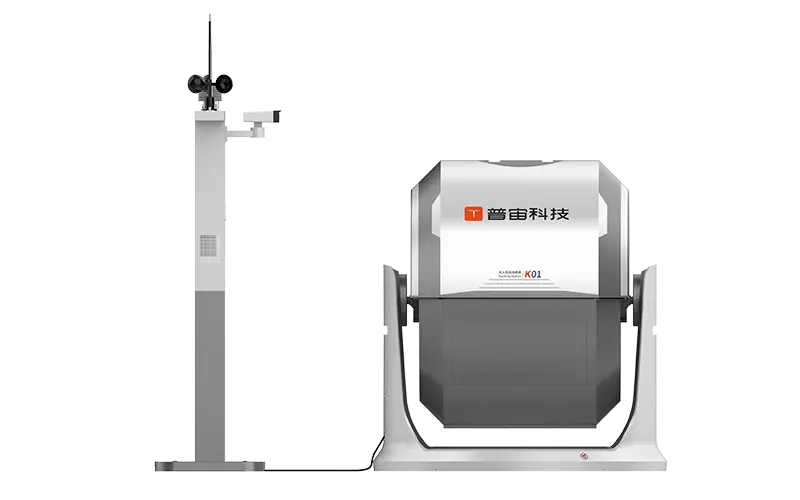 GDU
GDU
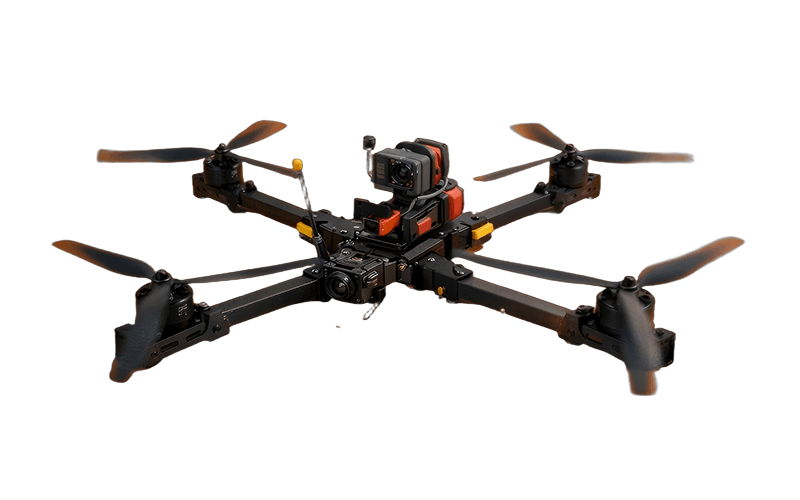 UUUFLY
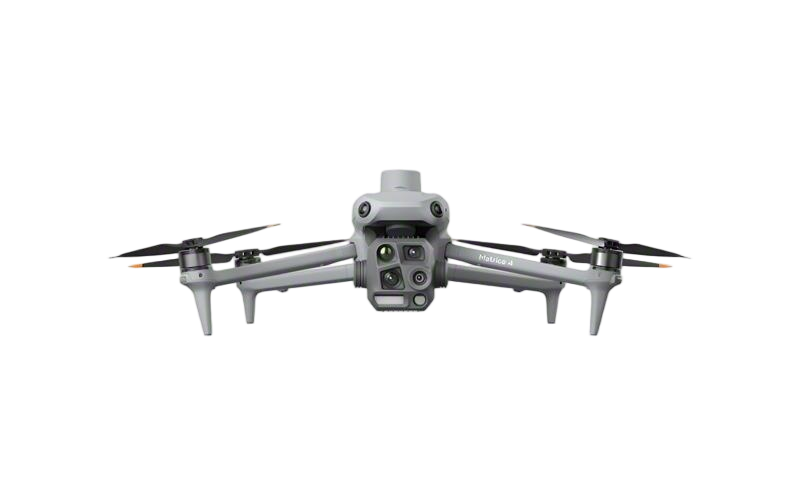 DJI
DJI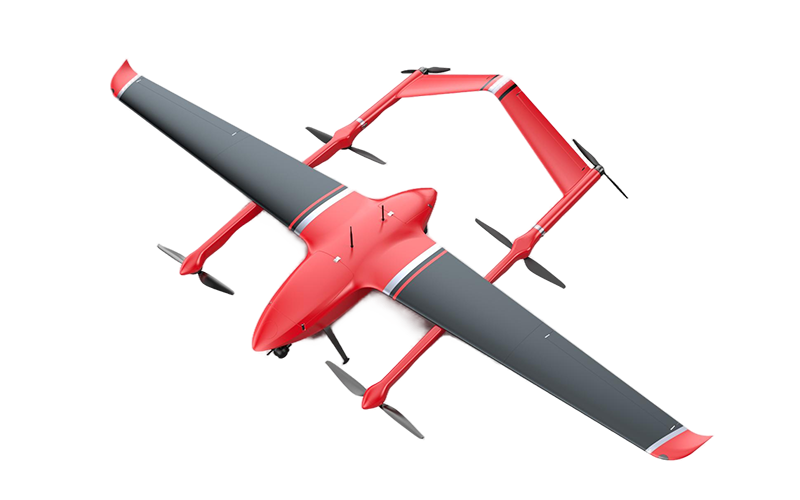 MMC
MMC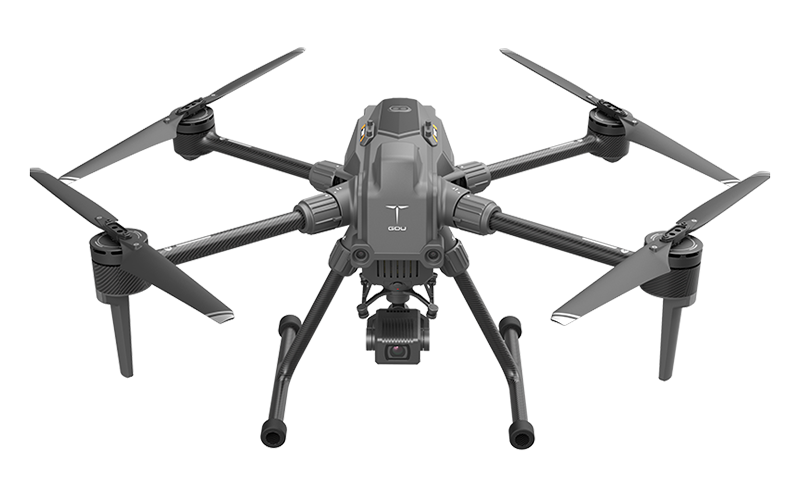 GDU
GDU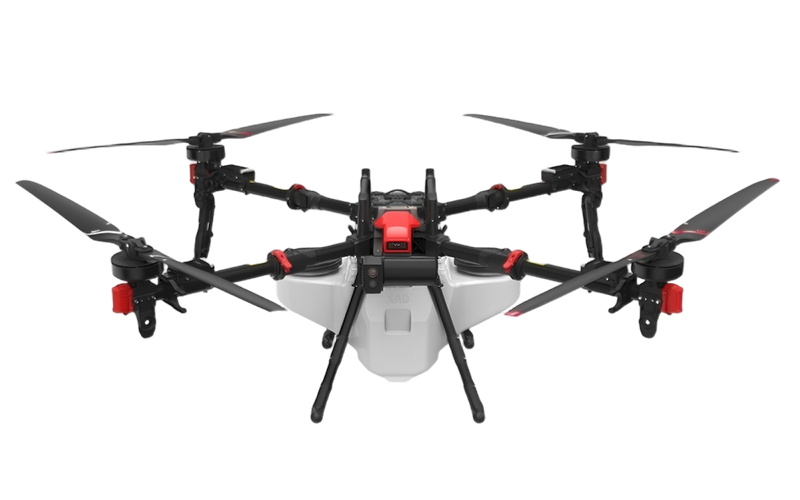 XAG
XAG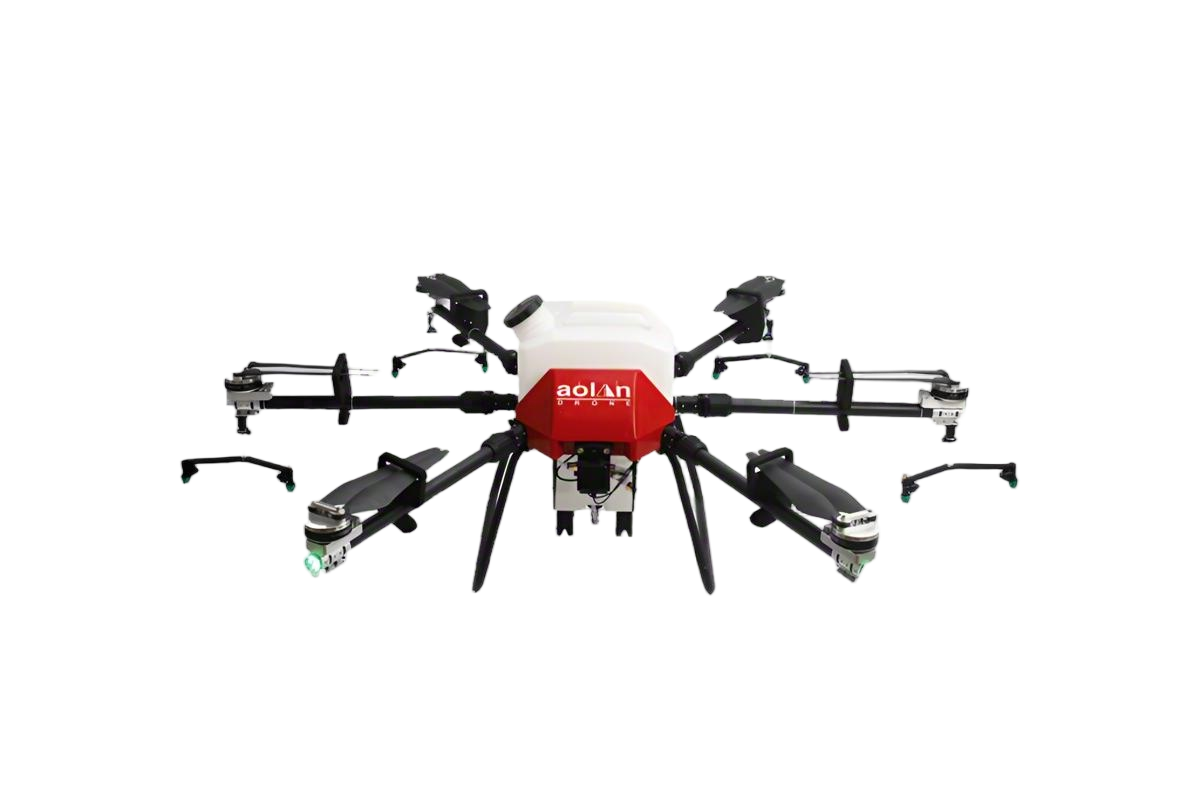 AOLAN
AOLAN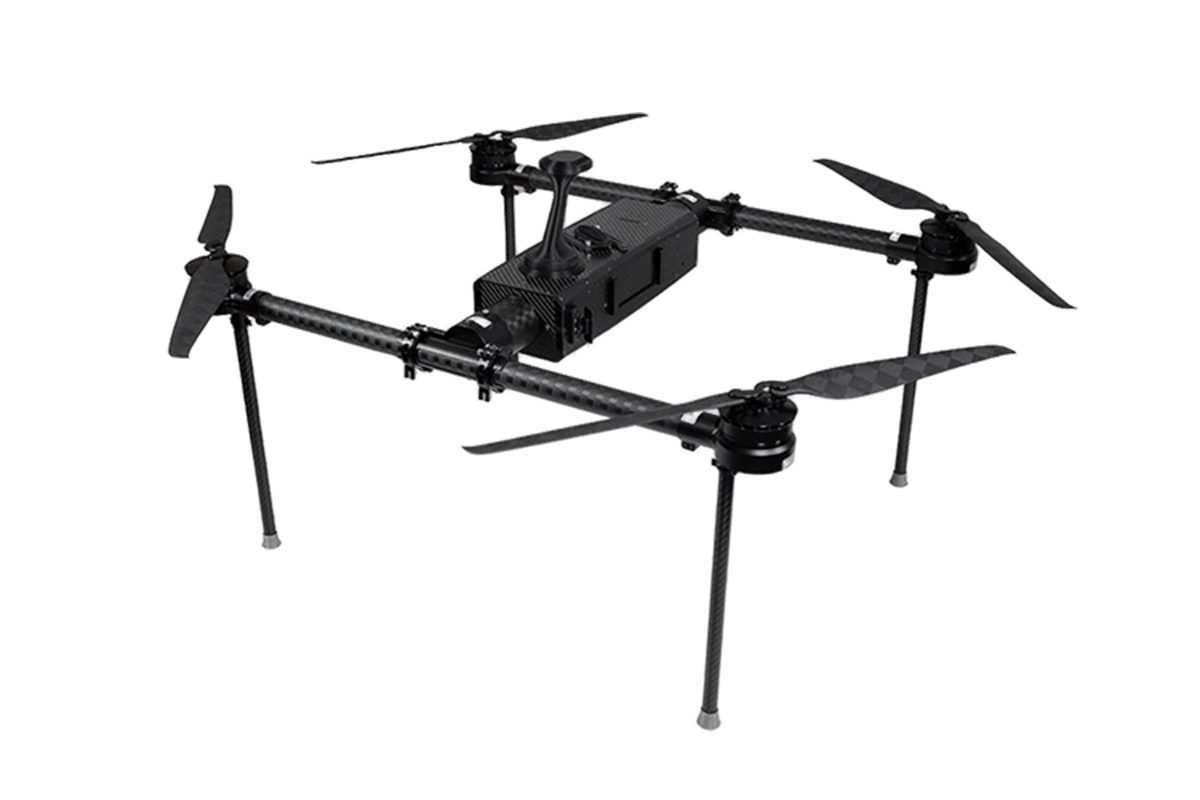 KEEL
KEEL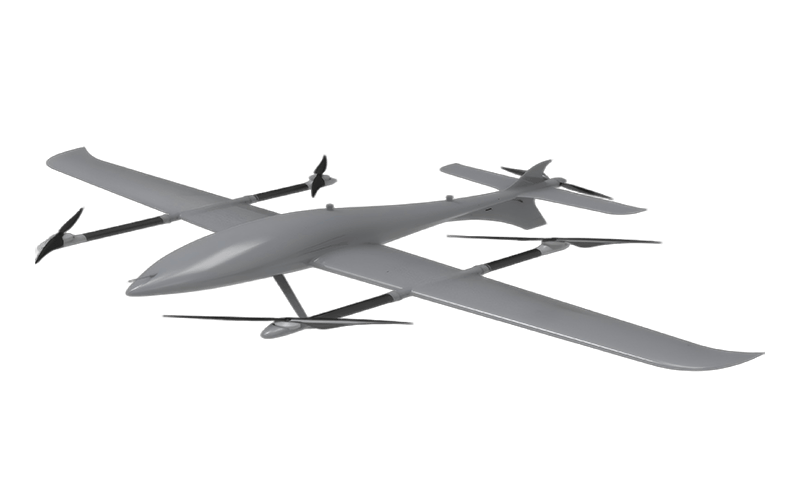 SKY NEXT


